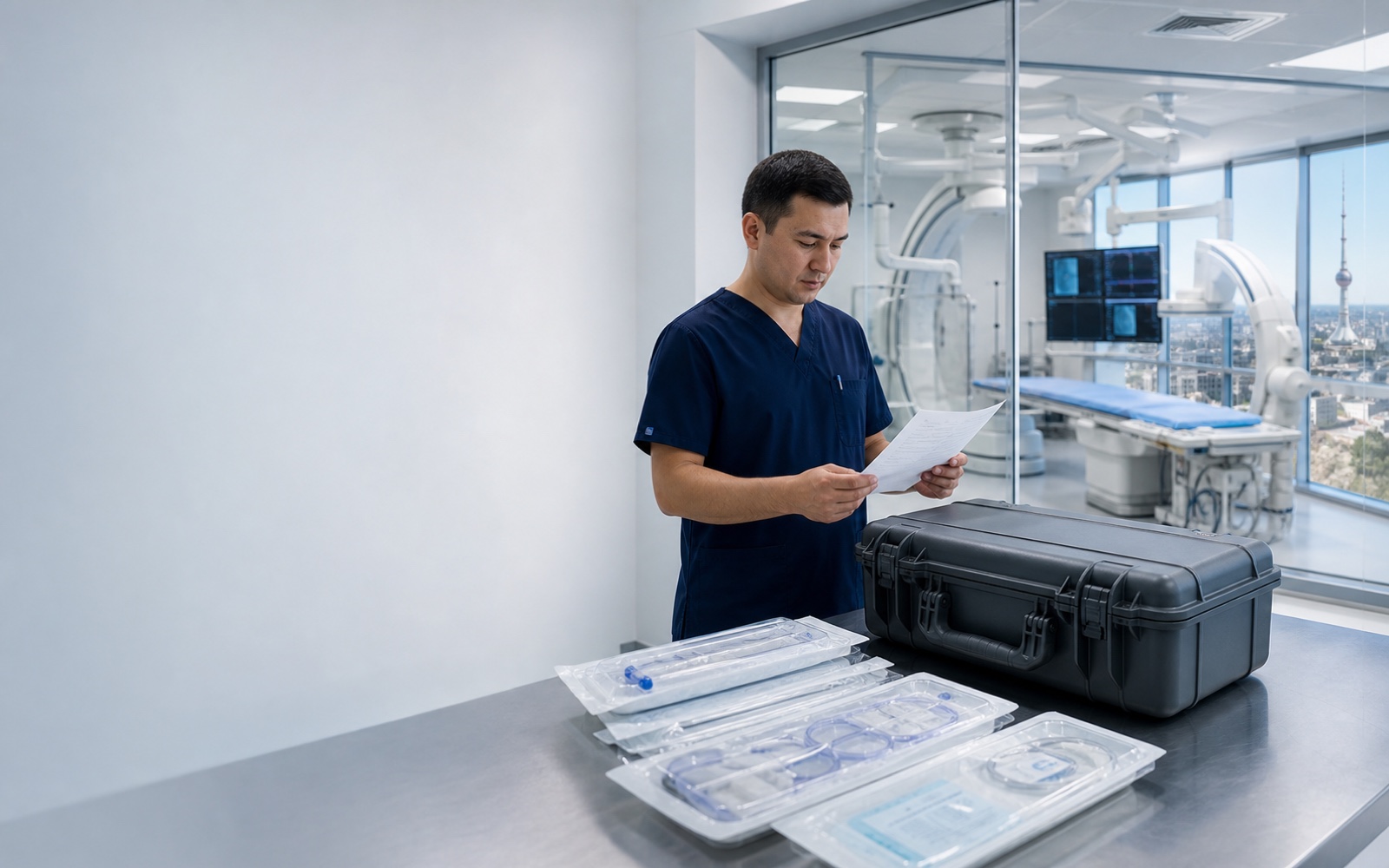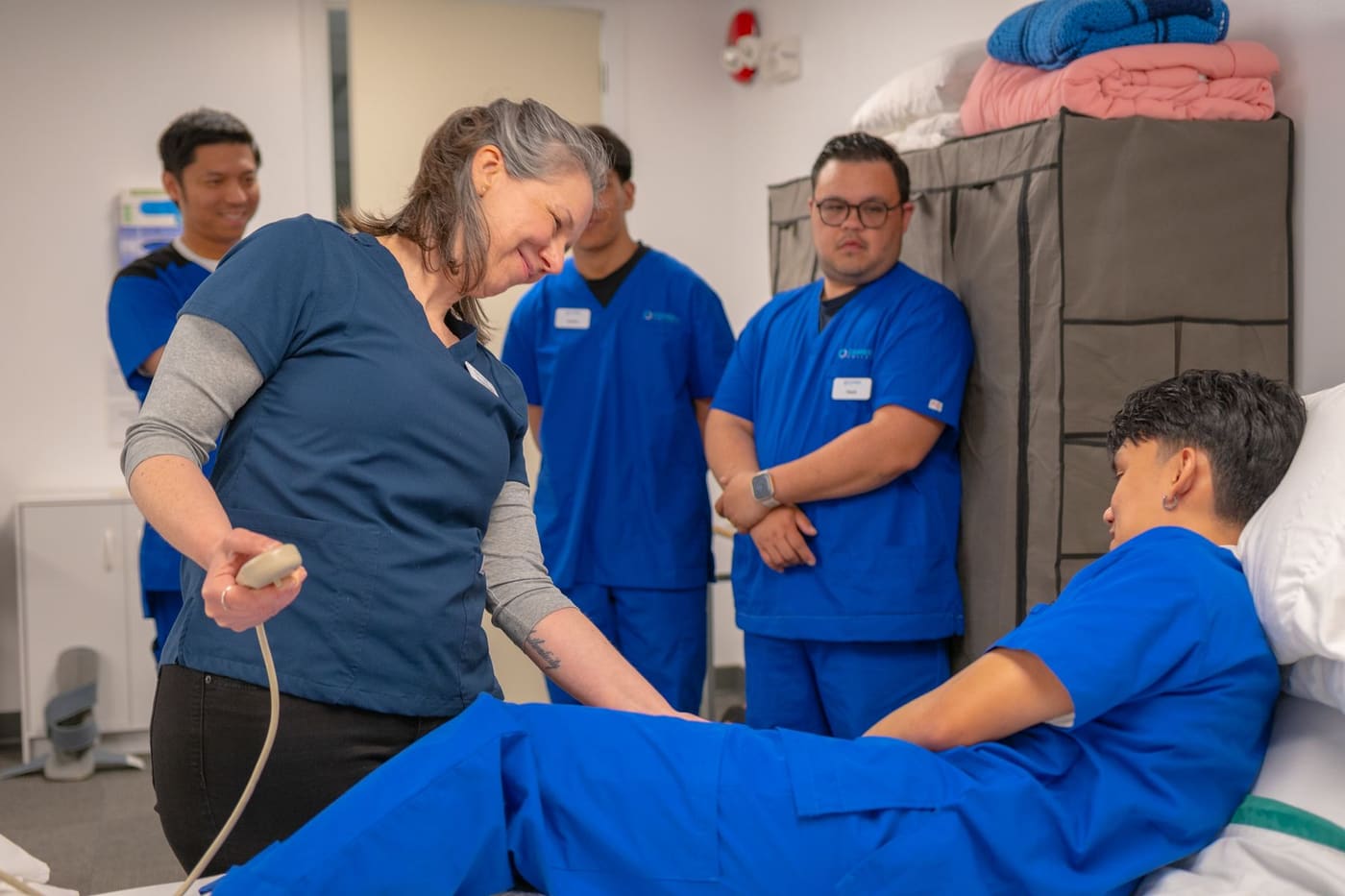
A useful workshop is built around a clear professional learning objective. Product presentation, clinical context, approved materials, demonstration equipment, venue planning, and follow-up should support that objective.
A useful workshop is built around a clear professional learning objective.
MEDEMBARK editorial team
Define the audience and learning need
- Identify the relevant specialty, experience level, and procedure context.
- Separate product familiarisation from broader scientific education.
- Use approved materials and clearly state the scope of demonstrations.
Choose the right educational lane
| Design choice | Product familiarisation | Scientific education |
|---|---|---|
| Primary aim | Help the intended professional audience understand approved product use, setup, features, and precautions. | Explore disease, procedure, evidence, or clinical-practice questions beyond one product demonstration. |
| Materials | Approved product information, instructions, demonstration equipment, and defined use scenarios. | Balanced scientific sources, clearly framed discussion, and appropriate faculty materials. |
| Facilitation | Product-trained personnel with a clear demonstration boundary. | Appropriately qualified scientific or clinical faculty. |
| Follow-up | Operational or approved-use questions routed to the responsible product team. | Scientific questions documented and answered through the appropriate evidence process. |
Shape an agenda with a clear learning arc
- Before participants arrive
Set up and verify
Check equipment, accessories, approved materials, room flow, technical support, and the demonstration boundary.
- Opening
State the objective and scope
Explain what the workshop will cover, what it will not cover, and how questions will be handled.
- Context
Connect the topic to clinical practice
Give participants the procedure, workflow, or evidence context needed to understand the session.
- Demonstration
Show the approved use sequence
Keep the product, equipment, materials, and facilitator synchronized around the learning objective.
- Application
Allow supervised review where appropriate
Create time for structured questions or hands-on familiarisation within the approved format and venue controls.
- Close
Capture questions and ownership
Summarize the objective, record unresolved questions, name owners, and set a follow-up expectation.
Plan the operational details
- Confirm equipment, accessories, transport, setup, and technical support.
- Prepare an agenda that leaves time for questions and hands-on review where appropriate.
- Capture follow-up questions and assign ownership after the session.
- Check the venue, power, connectivity, cleaning, storage, and participant-flow needs.
- Prepare a fallback for equipment, faculty, or timing changes.
- Record attendance and feedback only through the approved process.
Design the follow-up before the workshop
Continue from education to execution
- Clinical-trial device support in UzbekistanExplore operational support where study-device training and site readiness intersect.
- Preparing a market access planConnect clinical education with regulatory, supply, and procurement readiness.
- Discuss a physician workshopShare the audience, technology, objective, format, and preferred timing.